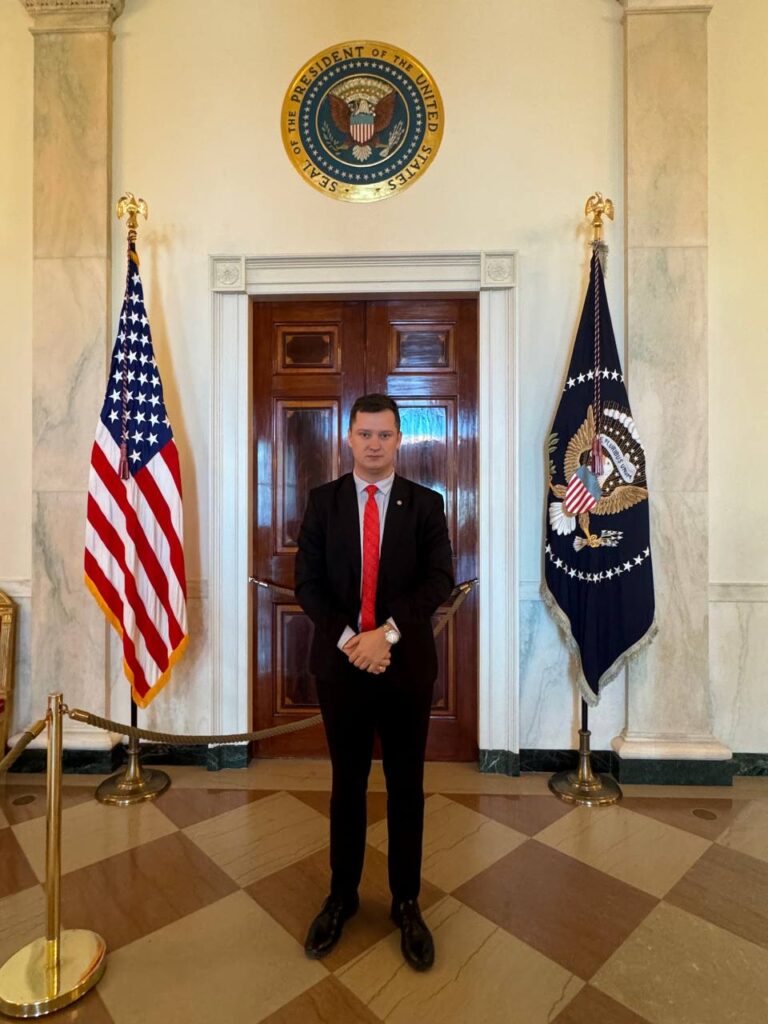

Mykola Volkivskyi, President of the Geneva Center for Diplomacy and Conflict Resolution, published an article for NewsRoom In titled ‘Why Speaking English Without an Interpreter Backfired.’ In this piece, he analyzes the strategic importance of diplomatic communication and the consequences of linguistic missteps in high-level discussions.
Link to the full article: Why Speaking English Without an Interpreter Backfired
Volkivskyi’s article delves into how language proficiency—or lack thereof—can shape diplomatic relations, influence negotiations, and impact the perception of national leaders on the global stage. Effective communication in diplomacy is not merely about speaking a language; it is about ensuring precision, clarity, and strategic messaging to avoid misunderstandings and unintended consequences.
This article provides a thought-provoking perspective on why language choices matter in high-stakes diplomacy and how they can strengthen—or weaken—a country’s positioning in international affairs.
For a comprehensive understanding of the discussion, readers are encouraged to access the full article through the provided link.
This article was written due to the significant meeting between President Volodymyr Zelensky and U.S. President Donald Trump in Washington, D.C., on 28 February 2025. The meeting focused on U.S.-Ukraine relations, security commitments, and the evolving geopolitical landscape. Volkivskyi’s analysis reflects the critical discussions and implications of this high-profile diplomatic engagement.